The ocean is the #1 risk at the beach, and the most avoidable. Know the flags, swim near a lifeguard, and learn exactly what to do if you're ever caught in a current.
Lifeguards fly colored flags to tell you the day’s conditions at a glance. Always check the flag before you get in the water.
Low hazard — calm conditions. Still use caution; conditions change fast.
Medium hazard — moderate surf or currents. Stay alert and close to shore.
High hazard — strong surf or rip currents. Swimming is strongly discouraged.
Water is closed to the public. Do not enter — conditions are dangerous.
Dangerous marine life present (jellyfish, etc.). Take extra care in the water.
Beach days are the highlight of a Myrtle Beach visit—but it’s crucial to stay safe while soaking up the sun and surf. Here’s your go-to guide for keeping families protected from sunburns, rip currents, and other beachside hazards:
Apply a broad-spectrum SPF 30+ sunscreen and reapply often, wear a hat and sunglasses, seek shade during the strongest hours (roughly 10 a.m. to 3 p.m.), and drink plenty of water.
South Carolina tests beaches May–October. Look for local advisories—advisories don’t close beaches, but they signal higher bacterial levels, advising caution. Visit CheckMyBeach.com for real-time water quality information.
Most Grand Strand beaches prohibit glass containers, alcohol, digging deep holes, and disturbing the dunes. Follow all regulations for the municipality you’re in to help others around you stay safe and avoid any fines or tickets.
Summer thunderstorms can develop quickly along the coast, so leave the water and the beach immediately at the first sound of thunder or sight of lightning, and don’t return until at least 30 minutes after the last thunder or lightning. Always keep an eye on the forecast and changing weather conditions, as storms can move in much faster than you expect.
Tents and shade structures also have size and placement rules in season, so check the local guidelines before you set up. These guidelines are put in place to keep beachgoers safe from shades and other items blowing down the beach.
The beach is home to a variety of wildlife, including sea turtles, shorebirds, jellyfish and other marine life, so always give animals plenty of space and never disturb nests or protected areas. Stay off the sand dunes, use designated beach access points, and remember that healthy dunes help protect both wildlife and our coastline from erosion and storms.
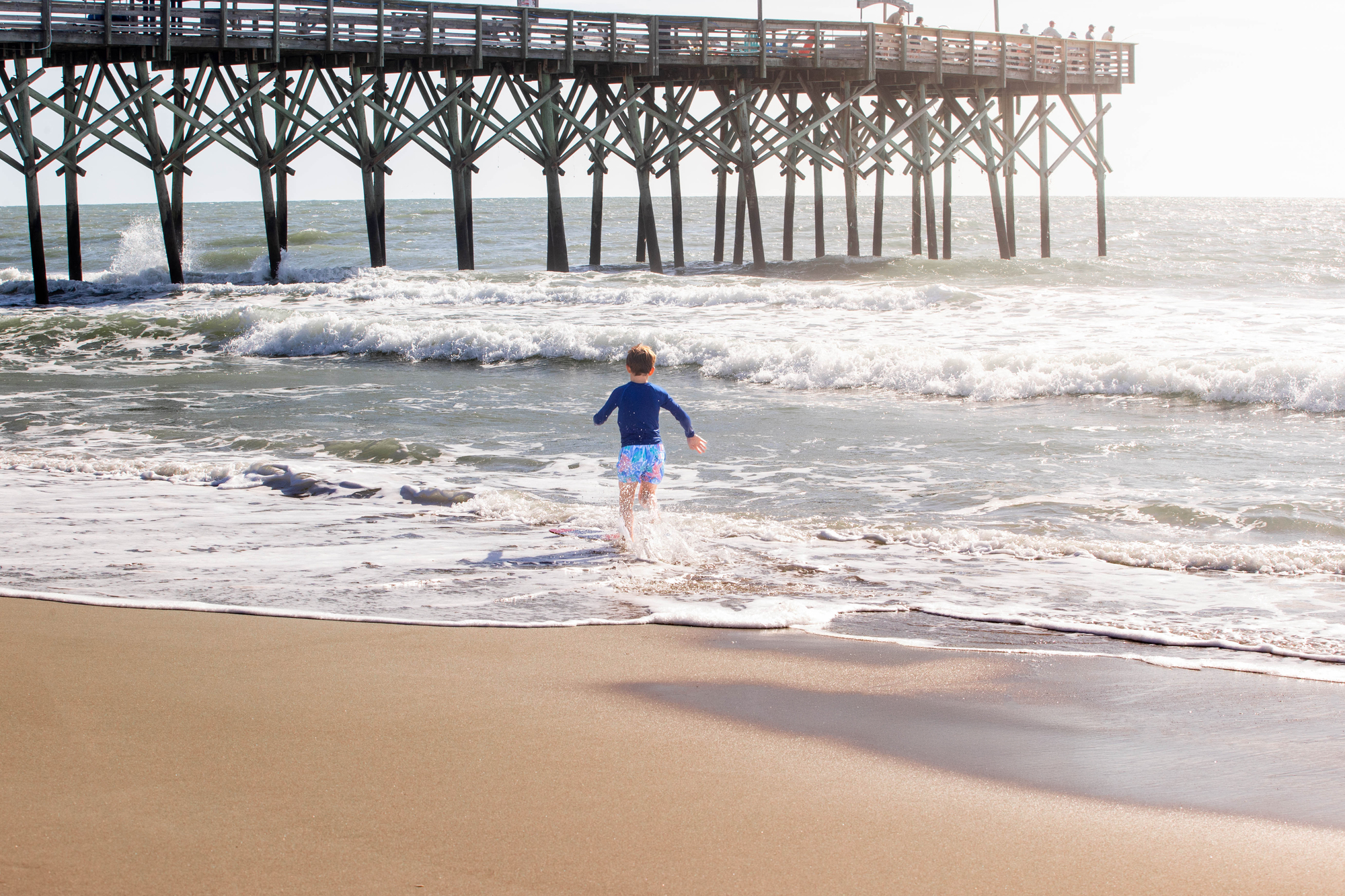
A few simple habits keep every ocean swim safe.
Choose a guarded beach and stay within the flagged swim area.
Use the buddy system and keep constant eyes on children near the water.
Look at the flag flying and the day’s rip-current forecast before you go in.
Wade in and feel for drop-offs and currents before you commit.
Inflatables and pool toys aren’t life jackets and can be swept out by the current.
Rip currents pull you away from shore, not under. Most drownings happen because swimmers panic and exhaust themselves fighting the current. Do this instead:
Conserve energy — the current won’t pull you underwater.
Never try to swim straight back against the current.
Flip onto your back, float, and wave your arm for a lifeguard.
Once the pull eases, swim along the shoreline, then angle back in.
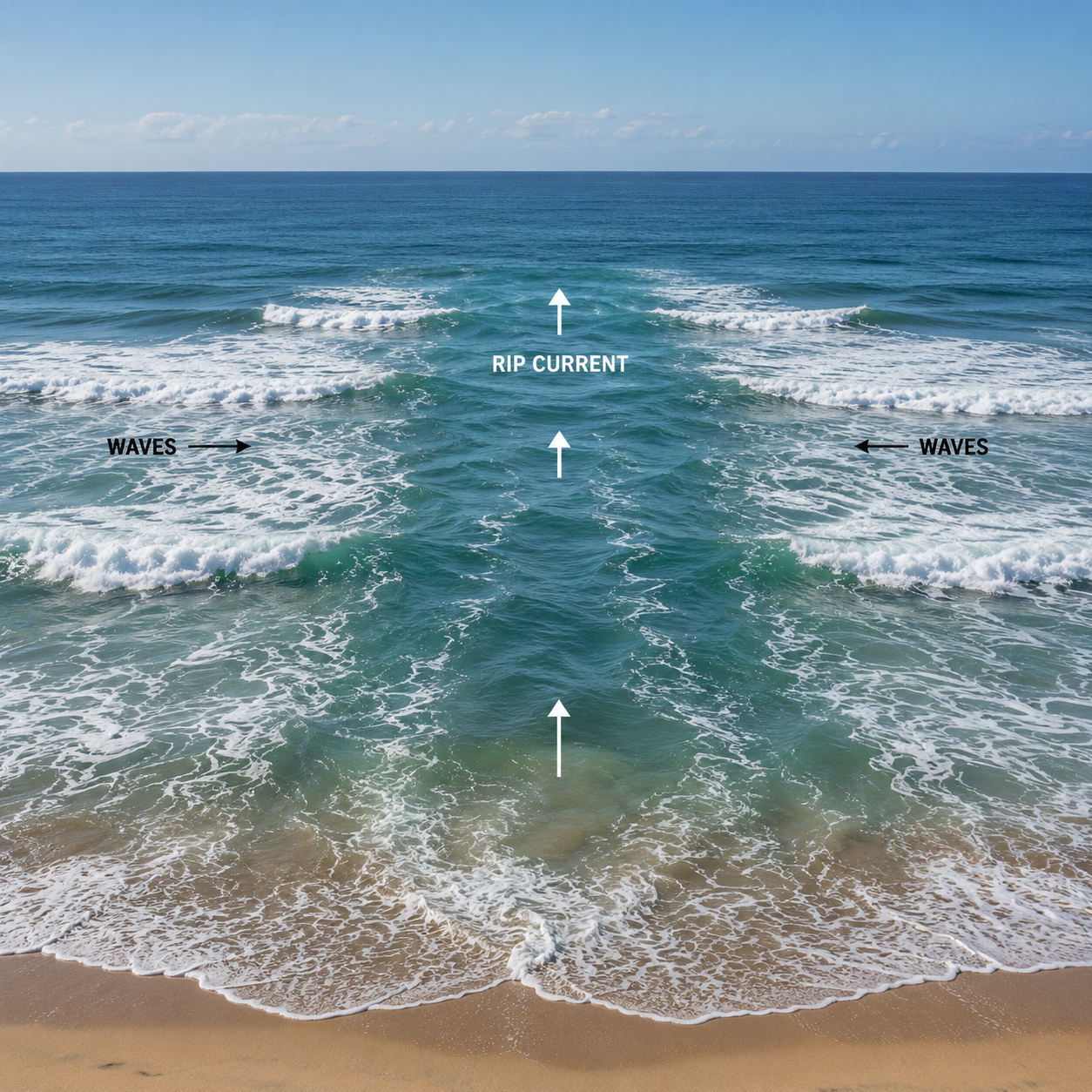
Don’t swim against it. Float, signal, and swim parallel to the beach to escape the pull.
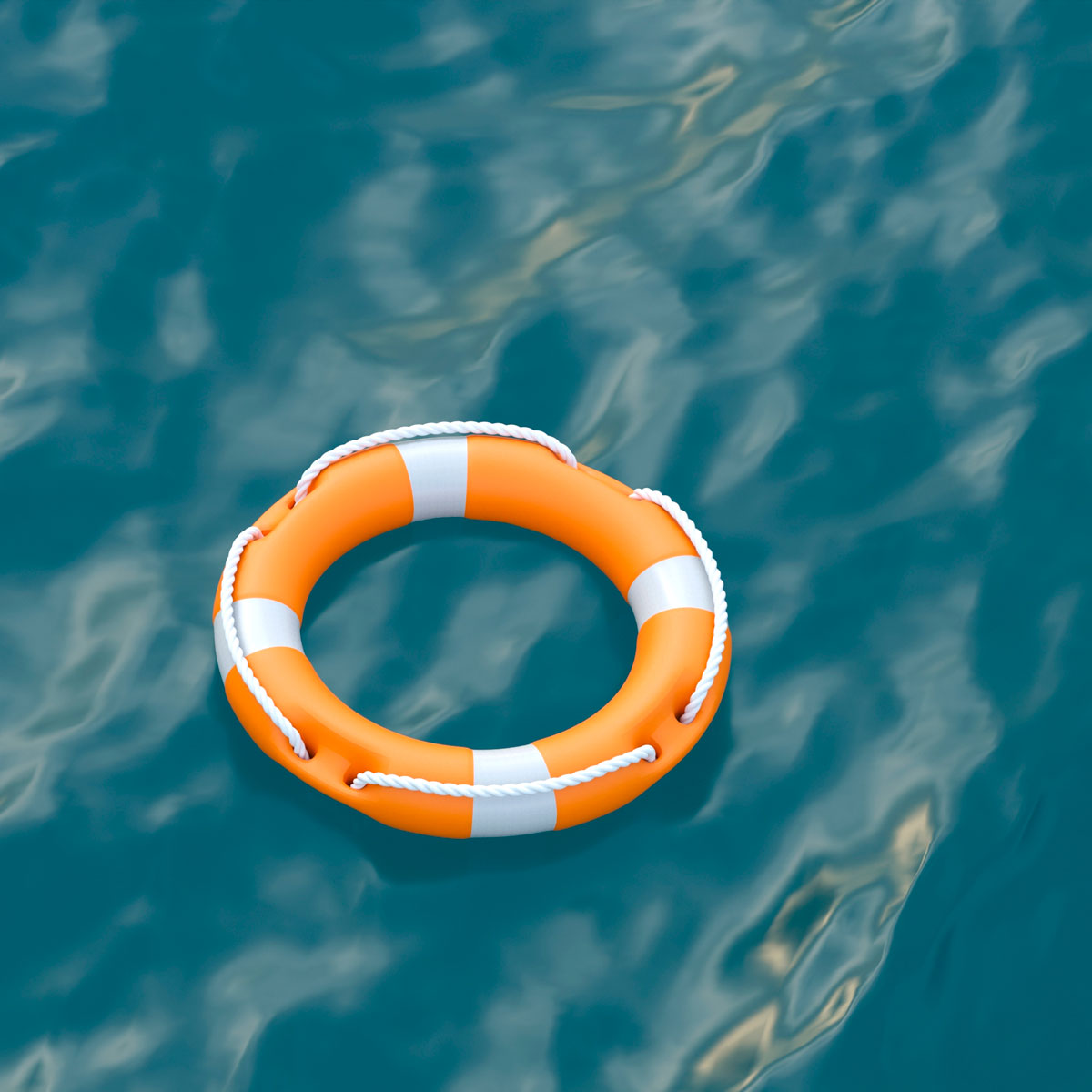
Call 911 right away. If someone is struggling in the water, throw them something that floats rather than going in after them, and alert the nearest lifeguard. For non-emergencies, call 843-918-1382.
 Laws & Regulations
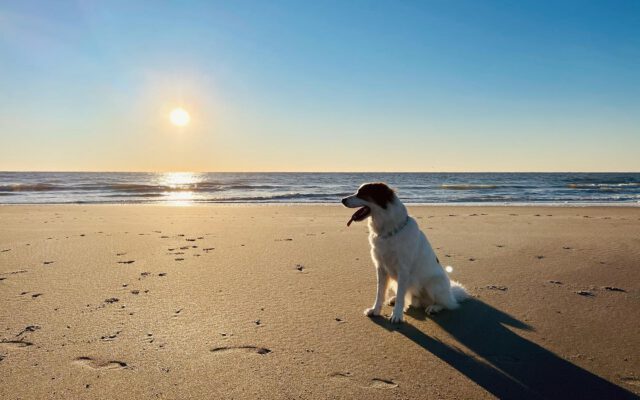
Pets are welcome up and down the Grand Strand — but beach access is seasonal and…
 Accessibility
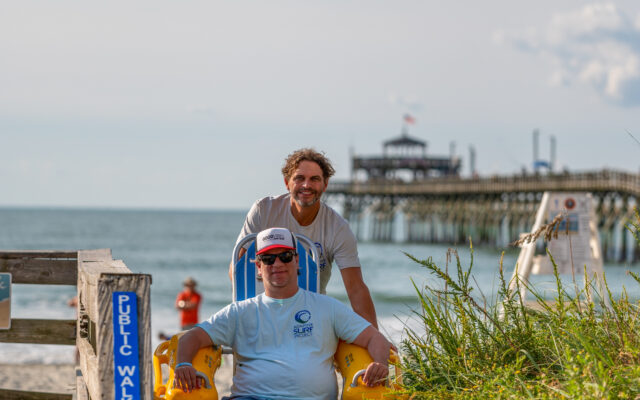
Many Grand Strand communities loan beach-going wheelchairs at no cost and offer accessible beach-access ramps. Here…
 Beach & Water
Now that summer is winding down, new beach rules are in effect along the Grand Strand.…