A closer look at how crime trends have moved over the last two decades, and why raw per-capita rankings miss key context.
As one of the nation’s most popular vacation destinations, Myrtle Beach’s effective daily population is roughly 23 times higher than its permanent population.
When rankings label Myrtle Beach as one of the “most dangerous cities,” they’re missing a critical piece of the story. These lists calculate crime rates by dividing reported offenses by the city’s roughly 41,000 full-time residents while ignoring the nearly 18 million visitors we welcome and protect each year.
When crime is measured against the number of people actually here on any given day, the picture looks dramatically different. Just as importantly, the long-term trend has moved in the right direction for decades, with reported crime declining significantly since the early 2000s, as the data below shows.
The latest figures from the Myrtle Beach Police Department’s 2025 Year in Review — crime down, service up, training up, and a fuller force on patrol.
Source: Myrtle Beach Police Department, 2025 Year in Review. Part 1 offenses are the FBI’s most serious crime categories; annual totals span the department’s 2021 transition to NIBRS reporting.
Myrtle Beach is home to approximately 41,000 permanent residents, but millions of visitors spend time in our community each year. Traditional crime-rate calculations use permanent residents as the population base without accounting for the substantial visitor population that also uses our roads, businesses, beaches and public safety services.
Residents can ask the FBI’s Uniform Crime Reporting Program to consider how tourism and other transient populations affect crime-rate calculations and to explore a standardized visitor-adjusted or effective-population measure for tourism communities.
Contact the FBI Uniform Crime Reporting Program at [email protected].
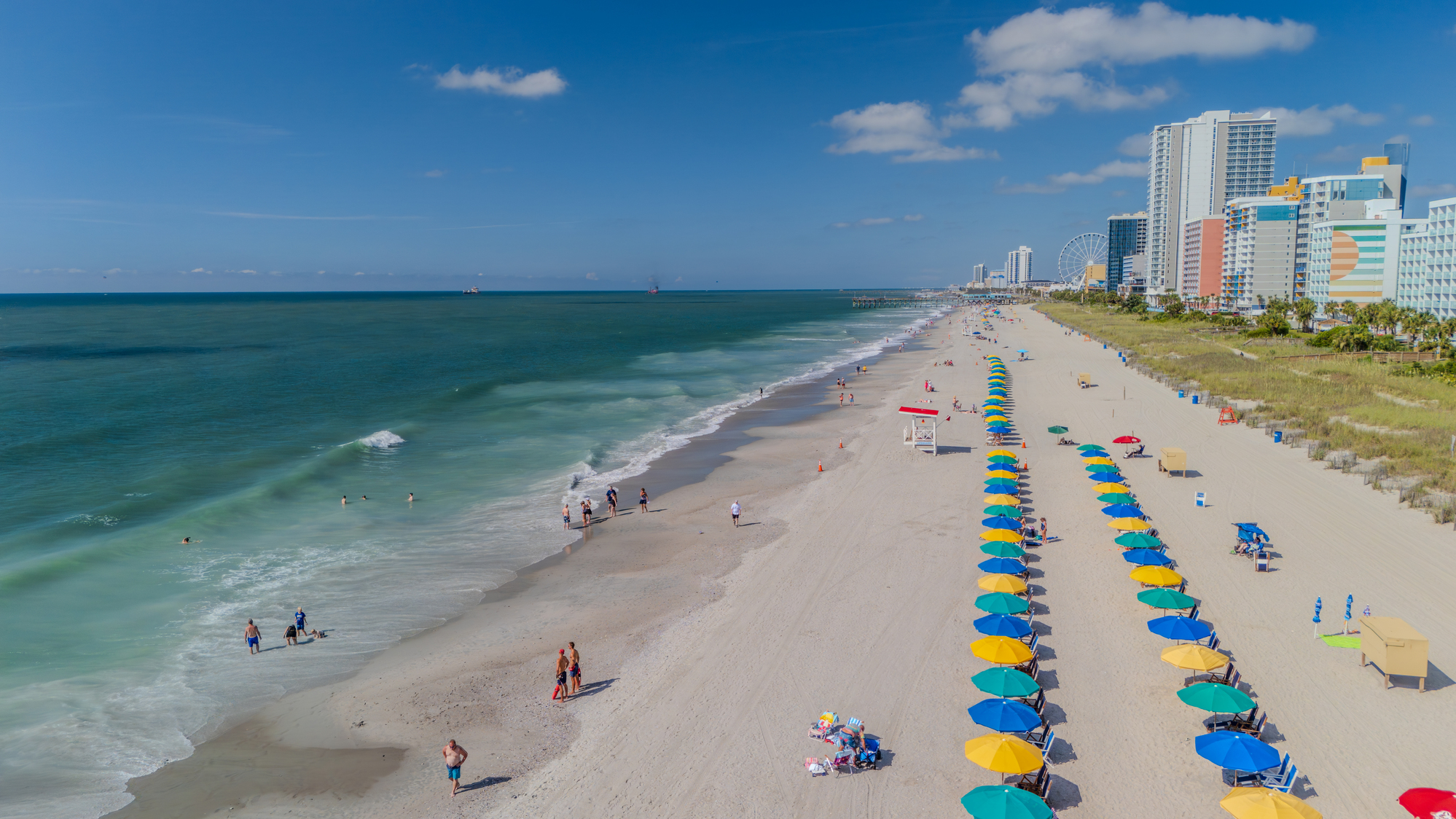
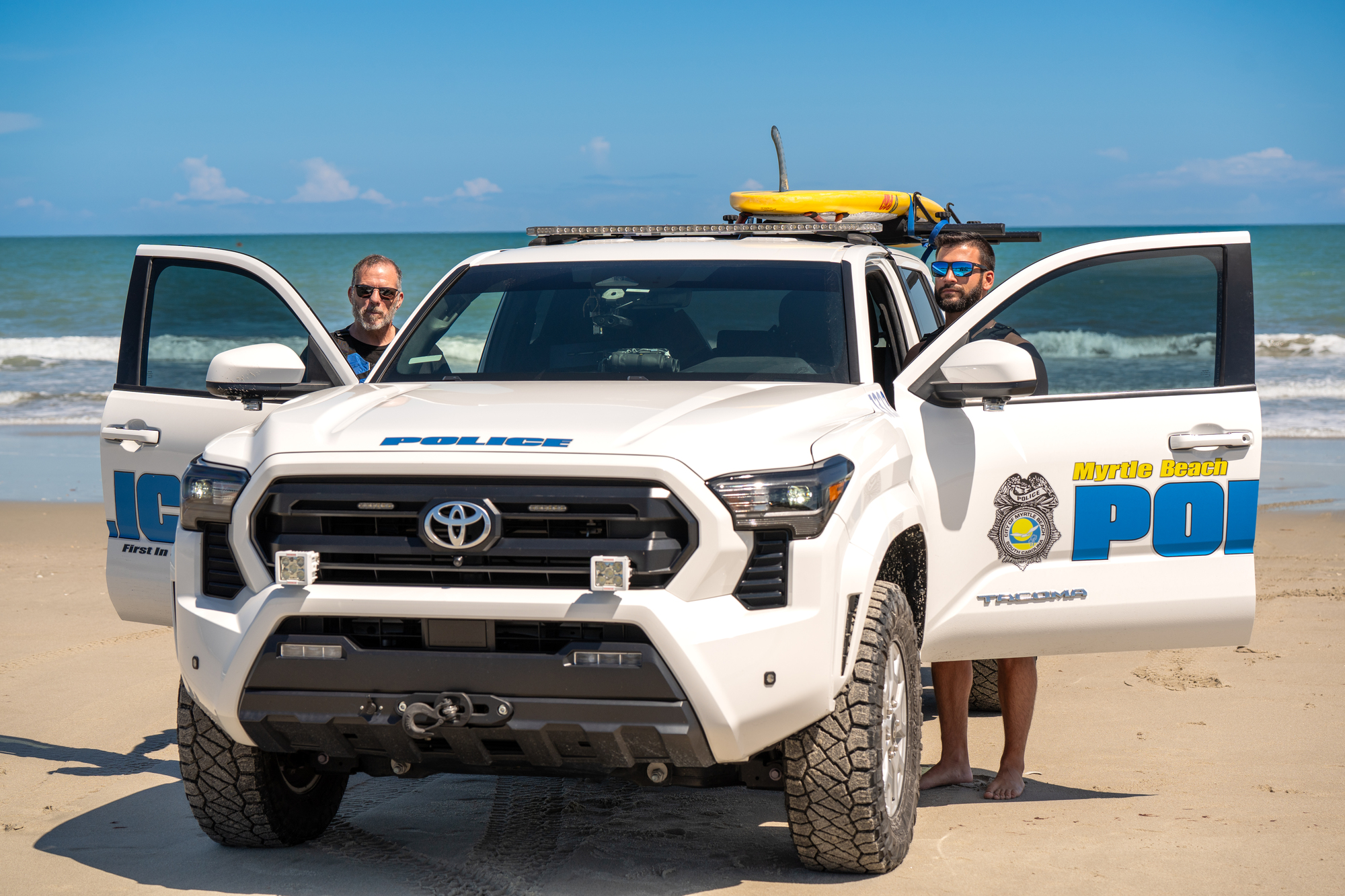
A growing force of 300+ sworn officers and staff, with a strong, visible presence in the busiest areas.
Public spaces are monitored around the clock by a network of more than a thousand cameras.
Real-time crime-center tools, license-plate readers and analytics help officers focus where they’re needed most.
Coordination with county, state and federal partners multiplies coverage, especially on peak weekends.
Active traffic and crosswalk management keeps Ocean Boulevard and the beachfront moving safely.
Scaled-up staffing and command coordination for big events and holiday weekends.
U.S. News & World Report
Travelocity
TripAdvisor
WalletHub
Travel + Leisure
Budget Travel
The trend above didn’t happen on its own — it’s the result of a partnership between law enforcement, city leaders, businesses, and residents and visitors like you. Here’s how everyone keeps it moving in the right direction.
Keep up with local news, city announcements and law enforcement on social media, and consider joining a neighborhood watch.
If you see something, say something. Tell police about unfamiliar vehicles or anything that doesn’t seem right. Emergencies: 911. Non-emergencies: 843-918-1382.
Take part in programs like Neighborhood Watch, Keep Myrtle Beach Beautiful, the Citizens Police Academy and National Night Out.
Lock doors and windows, use outdoor lighting and cameras, and keep valuables out of sight in your vehicle.
Make a family emergency plan, know your evacuation routes, and keep basic supplies on hand. See our storm preparedness tips.
Treat others with courtesy, resolve conflicts peacefully, and be a positive role model. A welcoming community is a safer one.
Reporting keeps these numbers honest and the beach safer. Reach the right team in seconds, or sign up for free safety alerts.