We track the latest bacteria readings and swim advisories along the Grand Strand, so you always know before you go in.
Our 60 miles of coastline are monitored all season long, and the water is safe for swimming the vast majority of the time. Short-term swim advisories are uncommon — they typically affect less than 2% of area beaches, usually for just a day or two after heavy rain, and they never close the beach.
South Carolina’s Department of Environmental Services and Coastal Carolina University test the water at coastal locations every week in season. For the latest location-by-location status and any active swim advisories, go straight to the official source.
Or view the S.C. Beach Access & Water Quality GuideAn advisory means bacteria levels were briefly elevated in one spot — usually near a stormwater outfall after rain. It’s a heads-up, not a closure. If a beach is posted, just move about 200 feet away and avoid dunking your head or swallowing water in that immediate area.
Water quality almost always returns to normal within 24–72 hours after the rain passes. Wading, walking and shelling stay perfectly fine even in a posted zone.
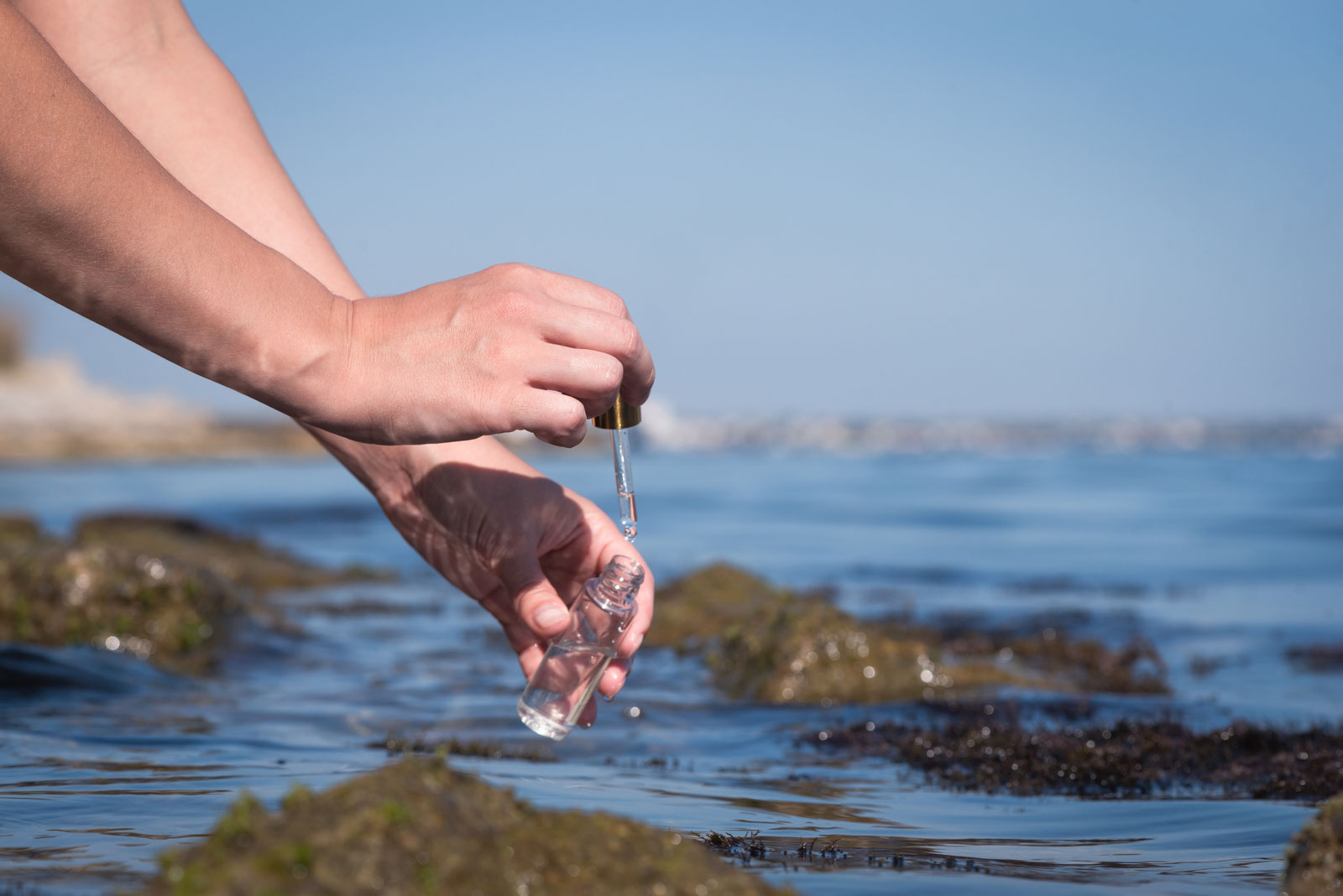
South Carolina’s beaches are among the most closely watched in the country. Throughout the swim season, samples are collected at popular spots up and down the coast and sent to a lab to measure the level of bacteria in the water.
The indicator they test for is Enterococcus — a bacteria that signals possible contamination from stormwater, wildlife, or other sources. It doesn’t necessarily make you sick on its own, but high levels mean conditions are right for harmful germs.
When a reading exceeds the federal standard, a short-term swim advisory is issued for that spot. This is a caution to avoid going in — not a beach closure. Advisories usually clear within a day or two once levels return to normal.
The most common reason for a temporary spike in bacteria is rainfall. Stormwater runoff washes off streets and yards and carries bacteria straight into the surf — a little planning keeps your swim safe.
Don’t swim near drainage pipes or outfalls where runoff enters the ocean.
Give bacteria levels time to settle after a heavy rain before getting in.
Stick to the regularly tested pier beaches where readings are posted.
Look at the latest readings on the map above before you head out.
It’s a short-term caution that bacteria levels at one spot are above the safe-swimming standard — not a beach closure. The beach stays open; DHEC just recommends staying out of the water there until the next test clears it, usually a day or two.
It’s best not to swim at the specific location under advisory. Nearby beaches that aren’t flagged are fine — check the map above for the latest by location.
Stormwater runoff washes bacteria off streets, yards and storm drains straight into the surf. Levels usually settle within about 24 hours.
A type of bacteria used as an indicator of water quality. High levels point to conditions where harmful germs are more likely. South Carolina issues a swim advisory above 104 per 100 mL.
No questions match your search.