On National Beach Day, Sunday, Aug. 30, we celebrate the 60 miles of beautiful coastline that make the Grand Strand such a special place to live, work and visit. Our beaches are more than a place to relax and make memories, they are a vital natural resource, an important habitat for coastal wildlife, and the foundation of our region’s tourism economy and quality of life. Protecting them is a responsibility we all share.
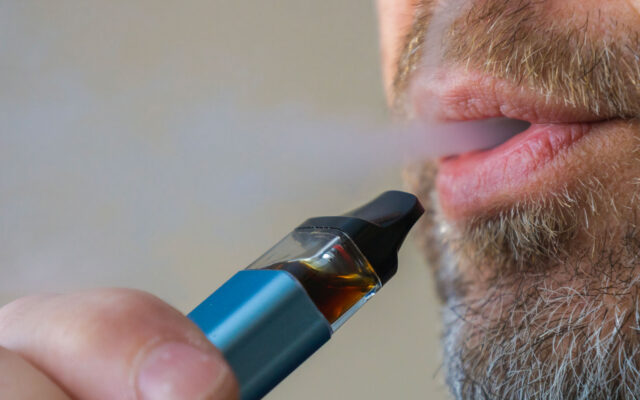
Simple actions like properly disposing of trash, filling in holes, respecting dunes and wildlife, and leaving the beach as beautiful as we found it can make a lasting difference. Keeping beaches clean supports water quality, wildlife protection and public safety by removing litter before it is washed into the ocean, storm drains or nearby waterways. Plastics and other debris can break down into smaller pieces, while items such as cigarette butts can introduce contaminants into the coastal environment. Removing fishing line, hooks, broken glass, sharp metal and other hazardous debris also reduces risks to beachgoers and wildlife.
Volunteer for Beach Cleanup on Friday, Aug. 28
As the busy summer season winds down, Keep Myrtle Beach Beautiful is inviting residents, businesses and visitors to give back to the beach during its End of Summer Cleanup on Friday, Aug. 28, from 9 to 11 a.m. at Hurl Rock Park, 20th Avenue South in Myrtle Beach.
This community beach and park cleanup will bring together volunteers to remove litter from our beautiful shoreline and help protect one of the Grand Strand’s most important natural resources for a healthier, safer coastal environment. It’s also an ideal time to beachcomb for shells and sharkteeth following this summer’s beach renourishment project, which brought new sand to the surface to protect our communities from future coastal storm erosion.
During the cleanup, organizers will provide any needed supplies, including gloves, bags, grabbers and extra water. Volunteers of all experience levels are encouraged to participate.
Beach Cleanup Safety Tips
- Wear the right gear. Closed-toe shoes are best, along with gloves sturdy enough to protect your hands from sharp shells, glass and other debris.
- Protect yourself from the elements. Bring water, sunscreen and sun protection, and take breaks during hot weather.
- Use a grabber and wear gloves. Trash pickers and gloves reduce direct contact with potentially sharp or contaminated items.
- Don’t pick up sharp objects or medical waste. Never handle anything sharp like glass or syringes, nor other medical waste by hand. Alert the cleanup organizer or appropriate local authority so the item can be disposed of safely.
- Leave suspicious items alone. Don’t touch sealed containers, chemicals, batteries, fuel containers or anything you can’t safely identify. Report the location to the cleanup organizer.
- Don’t lift more than you can safely handle. Large pieces of debris, waterlogged materials and fishing equipment can be surprisingly heavy. Get help or leave the item for the cleanup crew.
- Watch for fishing gear. Hooks, fishing line and lures can be difficult to see in the sand. Handle them carefully and keep children away.
- Respect wildlife and dunes. Give sea turtles, shorebirds and other animals plenty of space. Don’t disturb nests, eggs or wildlife tangled in debris; contact the appropriate wildlife professionals instead. Don’t walk in the dunes to grab trash.
- Stay aware of the ocean. Watch tides and waves, especially when collecting debris close to the waterline. Never put yourself at risk to retrieve a piece of trash.
- Stay in pairs and supervise young volunteers. Stay close to other volunteers to assist them if needed. Children can help collect safe, easily identifiable litter, but adults should handle anything sharp, heavy or questionable.
- Wash up afterward. Wash your hands thoroughly with soap and water after the cleanup, even if you wore gloves.